Integration Strategies Connecting Marketing Networks and Financial Platforms in Mobile Gambling Promotions
Frankie Schulz · Aug 7, 2026
Integration Strategies Connecting Marketing Networks and Financial Platforms in Mobile Gambling Promotions
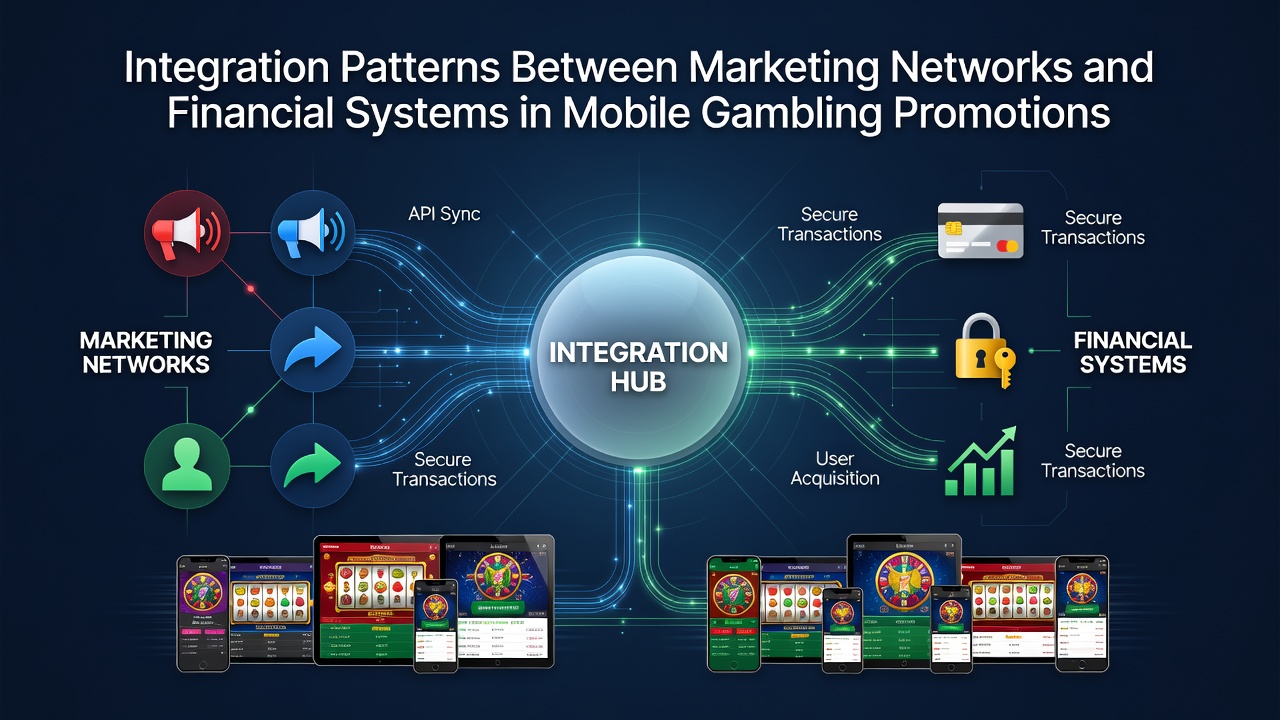
Marketing networks in the mobile gambling sector link directly to financial systems through structured integration patterns that handle promotional tracking and transaction processing in real time. These connections allow affiliate platforms to record user activity while payment processors manage deposits and bonus distributions without manual intervention. Data flows between customer relationship management tools and banking gateways rely on standardized APIs that transmit encrypted information about player registrations and wager volumes.
Core Mechanisms of Data Exchange
API endpoints serve as the primary bridges where marketing networks push referral data into financial ledgers and receive confirmation of completed transactions. Observers note that these endpoints often use RESTful protocols to exchange details on no-deposit bonuses and deposit matches, ensuring that promotional credits appear in player accounts within seconds of verification. In August 2026 several operators updated their systems to support ISO 20022 messaging standards, which improved compatibility with international banking rails used in cross-border mobile promotions.
Tokenization plays a central role in maintaining security during these exchanges because sensitive card details never travel across marketing servers. Instead, financial systems return tokenized references that affiliate dashboards store for reconciliation purposes. Researchers at the University of Nevada's gaming technology program have documented how this separation reduces exposure points while preserving audit trails required by state regulators.
Payment Gateway Synchronization with Affiliate Tracking
Financial platforms synchronize with marketing networks through webhook notifications that trigger when a deposit qualifies for a bonus. These notifications carry metadata on wager requirements and expiration dates, allowing the affiliate side to update campaign performance metrics automatically. One documented case involved a European operator that connected its payment processor to an affiliate network using OAuth 2.0 flows, resulting in reduced latency for bonus crediting across mobile apps.
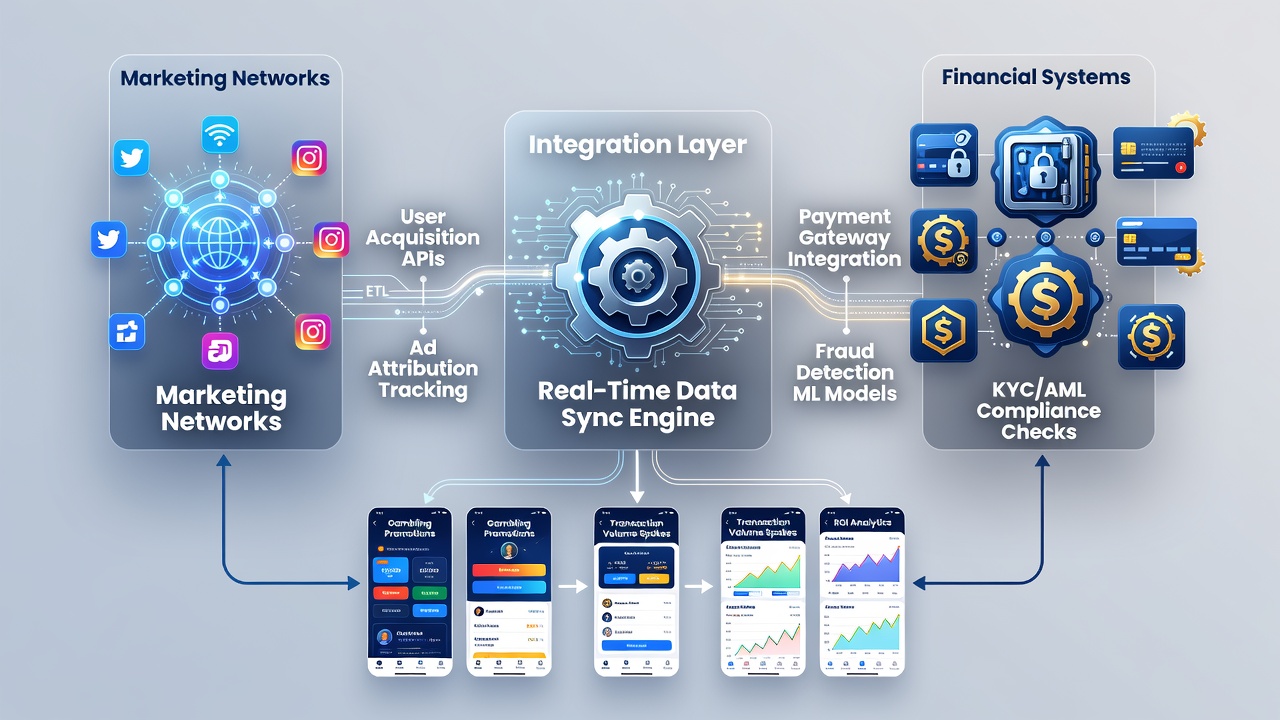
Batch processing remains common for high-volume periods when real-time handling would strain server resources. During these windows, marketing networks queue referral events and financial systems process them in scheduled intervals, typically every fifteen minutes. Data indicates that this approach handles peak loads during major sporting events without compromising accuracy in bonus attribution.
Compliance Layers and Reporting Requirements
Regulatory frameworks in multiple jurisdictions require detailed logs of how promotional funds move between marketing partners and financial accounts. The Nevada Gaming Control Board mandates that operators maintain records showing the origin of each bonus dollar, while similar rules apply under the Australian Communications and Media Authority guidelines for digital gambling services. Integration patterns therefore incorporate automated reporting modules that pull transaction histories from payment gateways and format them for submission to oversight bodies.
Encryption standards such as TLS 1.3 protect data in transit, and many platforms add application-level encryption for stored promotional codes. Those who manage these systems report that combining these layers meets requirements from bodies like the European Gaming and Betting Association without slowing mobile app performance.
Future Developments in System Architecture
Cloud-based orchestration tools are gaining traction as operators seek to scale integrations across multiple jurisdictions. These tools allow marketing networks to connect with various financial providers through configurable templates rather than custom code for each partnership. Figures from industry reports show increased adoption of such platforms among operators handling mobile promotions in both North American and Asian markets during 2026.
Conclusion
Integration patterns between marketing networks and financial systems continue to evolve through API advancements, tokenization practices, and regulatory alignment. These connections support efficient delivery of mobile gambling promotions while maintaining the data integrity required by oversight agencies across different regions.