Electronic Funds Transfers and Partner Programs Driving Mobile Gambling Incentives
Lars Fischer · Aug 21, 2026
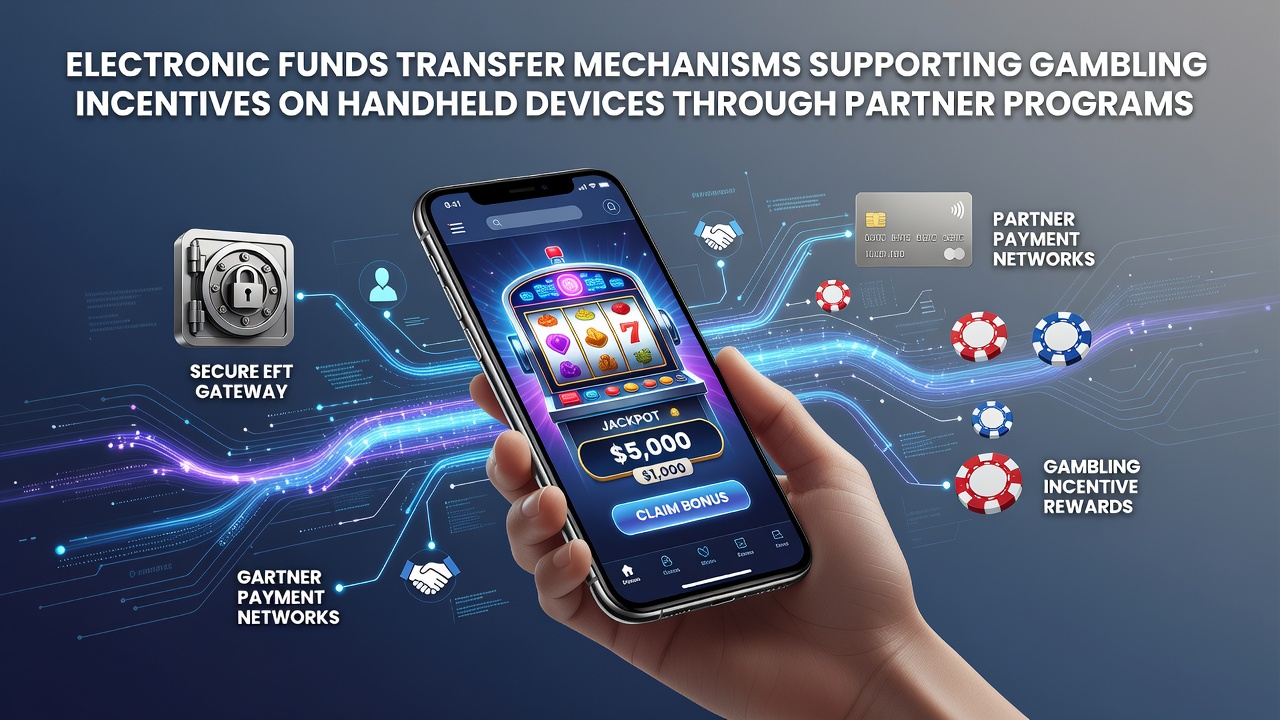
Electronic Funds Transfers and Partner Programs Driving Mobile Gambling Incentives
Electronic funds transfer systems have become central to how gambling operators deliver incentives through partner networks on handheld devices, and these mechanisms allow seamless movement of promotional funds from affiliate programs directly to user accounts. Operators integrate automated clearing house transfers, wire protocols, and digital wallet connections to support no-deposit bonuses and reward credits, while partner programs track referrals and trigger payments once players meet verification steps on mobile platforms. Data from industry reports shows that transaction volumes in this segment grew steadily through the first half of 2026, with mobile channels accounting for the majority of incentive redemptions.
Core Components of Electronic Funds Transfer in Mobile Gambling
Automated clearing house networks and real-time payment rails form the backbone of these systems, and they enable operators to credit incentive amounts to player wallets within seconds of approval. Handheld devices receive these transfers through secure application programming interfaces that connect casino platforms with banking partners, while encryption standards protect account details during each exchange. Researchers at academic institutions have documented how these protocols reduce processing delays compared with traditional card methods, and figures from regulatory filings indicate higher completion rates for bonus activations when electronic transfers handle the funding step.
Partner programs feed into this process by assigning unique tracking identifiers to each referral, and once a player completes registration on a mobile app the system releases the incentive through the chosen electronic channel. This setup creates a direct pathway from affiliate marketing efforts to player accounts, and operators monitor these flows to ensure compliance with spending limits and jurisdictional rules. Observers note that integration with digital wallets has expanded access for users who prefer not to link bank accounts directly to gambling applications.
Partnership Models That Support Incentive Delivery
Affiliate networks operate under revenue-sharing agreements that tie commission payouts to player activity, and electronic funds transfers serve as the settlement method between operators and marketing partners. These arrangements allow programs to scale incentives across multiple handheld platforms without manual intervention, while automated reporting tools provide real-time visibility into transfer status. Industry organizations such as the American Gaming Association have published summaries showing that partner-driven incentives represent a growing share of mobile acquisition budgets in regulated markets.
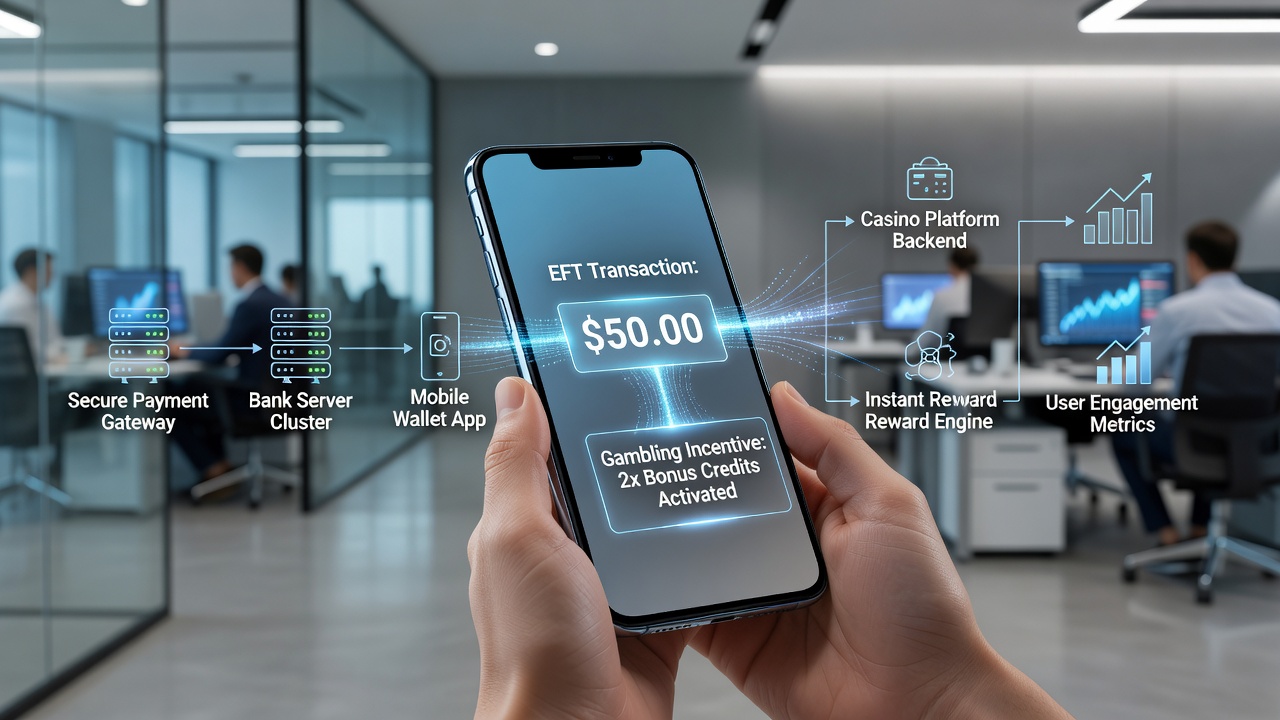
Payment service providers act as intermediaries in many cases, routing funds from operator accounts to player devices through established electronic networks. This structure supports rapid distribution of no-deposit credits and loyalty rewards, and it reduces friction for users who access promotions on smartphones or tablets. Those who have examined transaction logs report that success rates improve when transfers occur during off-peak hours, which helps avoid network congestion on mobile carriers.
Technical Pathways on Handheld Devices
Mobile applications embed electronic transfer modules that authenticate users through biometrics or device tokens before processing incentive credits, and these modules communicate with backend servers to confirm fund availability. Developers design these features to comply with regional banking standards, while updates in August 2026 introduced enhanced tokenization for additional security layers. The result is a streamlined experience where players see credited amounts almost immediately after partner program triggers activate.
Cross-border considerations come into play when operators serve users across multiple jurisdictions, and electronic systems must adapt to varying currency conversion rules and reporting requirements. Regulatory bodies in several regions require detailed logs of every transfer tied to promotional activity, which helps maintain transparency in partner arrangements. Studies from research institutions indicate that platforms using unified electronic protocols experience fewer compliance issues compared with fragmented payment setups.
Regulatory and Compliance Considerations
Government agencies oversee these mechanisms to prevent misuse of incentive funds, and electronic transfer records provide auditable trails that satisfy reporting mandates. In Canada, for instance, provincial authorities review how affiliate programs interface with payment systems to ensure player protections remain intact. Similar oversight appears in Australian state frameworks, where data on transfer volumes informs policy adjustments. Operators maintain dedicated compliance teams that verify each incentive distribution meets legal thresholds before funds move through electronic channels.
Security certifications for payment gateways have become standard requirements, and they cover encryption, fraud detection, and reconciliation processes. These measures help protect both operators and players during the transfer of promotional credits on handheld devices. Figures released by oversight bodies show steady improvement in fraud prevention metrics as electronic systems incorporate machine learning tools for anomaly detection.
Current Trends as of August 2026
Recent months have seen expanded adoption of instant payment schemes that further shorten the time between partner referral and incentive credit, and mobile operators report higher engagement when transfers complete in under ten seconds. Integration with emerging digital currency options continues in select markets, although traditional electronic networks still dominate volume. Industry reports highlight that partner programs increasingly rely on these fast pathways to maintain competitive positioning in crowded mobile gambling spaces.
Conclusion
Electronic funds transfer mechanisms combined with structured partner programs have established reliable channels for delivering gambling incentives on handheld devices, and ongoing technical refinements continue to support efficient, compliant operations across regulated environments. Data from multiple sources confirms sustained growth in mobile transaction volumes tied to these arrangements, while regulatory frameworks adapt to maintain oversight without impeding innovation.